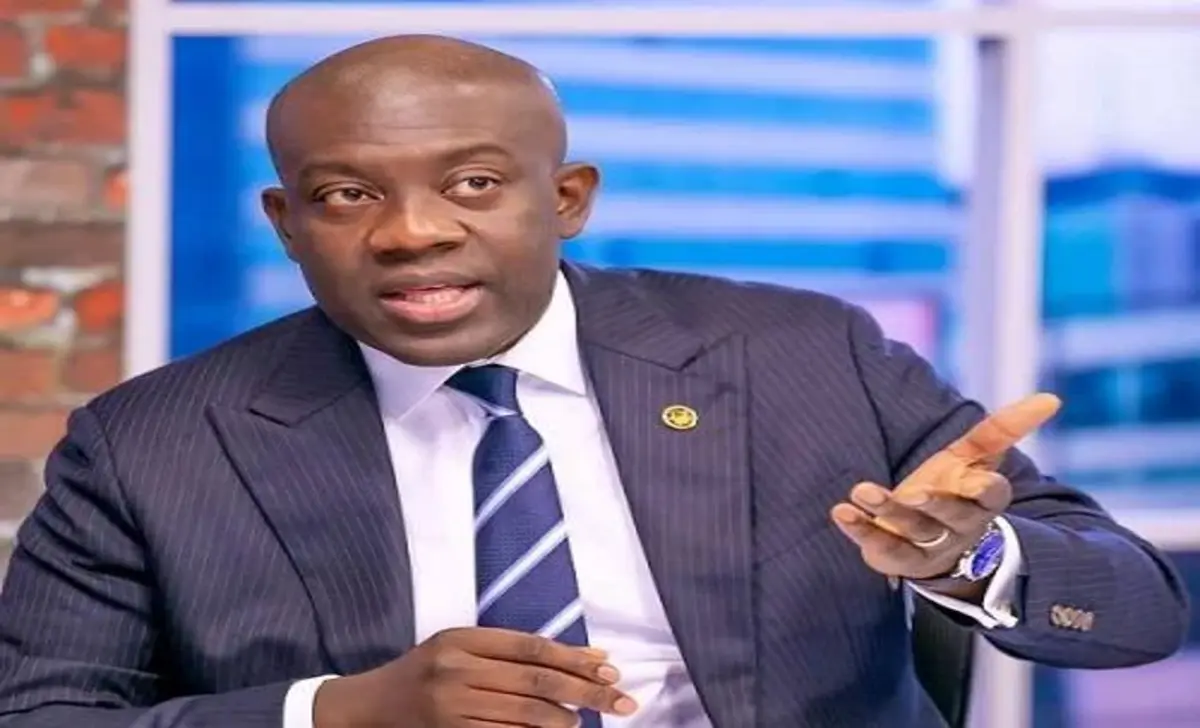
Ranking Member of Parliament’s Economy and Development Committee, Kojo Oppong Nkrumah, has questioned the government’s fiscal strategy, arguing that Ghana’s return to external borrowing barely nine weeks after exiting the International Monetary Fund (IMF) Extended Credit Facility (ECF) programme raises concerns about revenue mobilisation and debt sustainability.
Speaking during parliamentary debate on a motion seeking approval for several international financing agreements, the Ofoase-Ayirebi MP said lawmakers should consider the cumulative value of the proposed loans rather than assess each facility individually.
Opening his remarks with the French phrase “Plus ça change, plus c’est la même chose” (“the more things change, the more they remain the same”), Oppong Nkrumah said the government’s reliance on external financing appeared to be continuing despite its announcement that Ghana had successfully completed the IMF programme.
He recalled that on May 15, 2026, the government described Ghana’s exit from the IMF ECF programme as a major milestone in the country’s economic recovery.
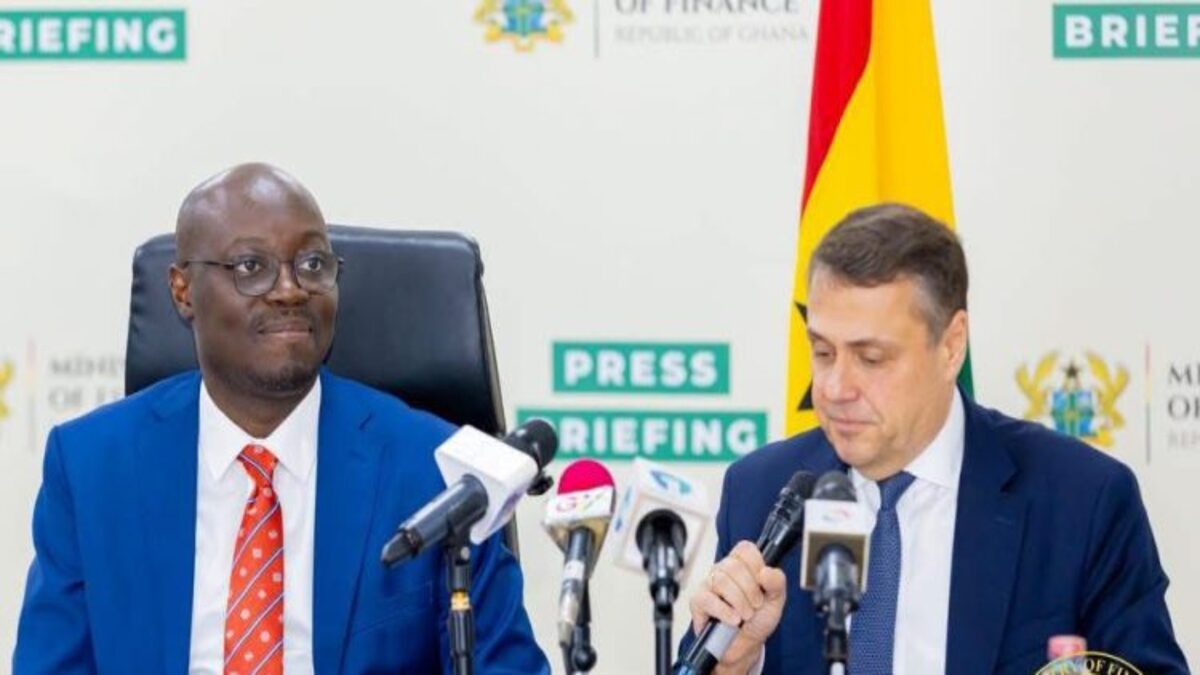
However, he noted that Parliament is now being asked to approve borrowing amounting to nearly $1 billion.
According to him, the proposed package includes about $300 million for the education sector, $500 million for road infrastructure, approximately $22 million for the Ministry of Finance and an additional net borrowing of about $180 million already captured in the 2026 Budget.
‘Not opposed to the projects’
Oppong Nkrumah said the Minority was not opposed to the projects the loans are intended to finance.
He acknowledged that development financing plays an important role in supporting national infrastructure and public services, stressing that his concern centred on the government’s increasing reliance on borrowing shortly after leaving the IMF programme.
The former Information Minister said the government had assured Ghanaians during the presentation of the 2026 Budget that it would increase domestic revenue while removing some taxes, targeting revenue equivalent to 18% of gross domestic product (GDP).
According to him, recent fiscal reports indicate that the target has not been met.
He said one official report placed Ghana’s revenue-to-GDP ratio at 15.7%, while another estimated it at 16%, levels he argued were similar to those inherited by the current administration.
“It is because the domestic resource mobilisation measures are not performing that nine weeks after the IMF left town, they have gone back to the debt markets and are asking Parliament to approve close to one billion dollars,” he said.
Calls for stronger revenue mobilisation
While indicating the Minority’s support for the loan agreements, Oppong Nkrumah cautioned that continued borrowing without stronger domestic revenue performance could threaten Ghana’s long-term debt sustainability.
He also criticised what he described as the government’s spending priorities, arguing that significant resources were being channelled into quasi-fiscal operations instead of development needs.
Citing figures from the Bank of Ghana’s 2025 financial statements, he said about GH¢16 billion had been spent on sterilisation operations, while gold-related losses amounted to approximately GH¢9.6 billion.
Oppong Nkrumah urged the government to strengthen domestic revenue mobilisation and adopt a coordinated approach to expenditure management to reduce the country’s dependence on external financing.
He reaffirmed the Minority’s support for the proposed financing agreements but said improving revenue generation and spending discipline would be essential to preventing a return to unsustainable debt levels.