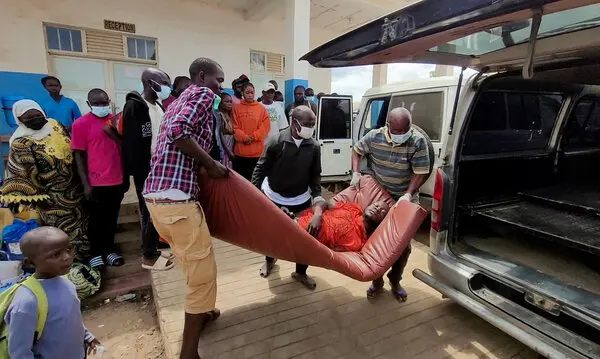
At least 131 people have died following an Ebola outbreak in the Democratic Republic of Congo (DR Congo), with health officials reporting more than 513 suspected cases across the country. Authorities say the outbreak is expanding into new areas, raising concerns about further regional spread.
Government spokespersons in DR Congo indicated that infections are now being recorded beyond the initial outbreak zones, including Nyakunde in Ituri Province, Butembo in North Kivu, and the city of Goma.
The outbreak has also crossed borders, with the United States Centers for Disease Control and Prevention (CDC) confirming two Ebola cases and one related death in neighbouring Uganda.
The World Health Organization (WHO) has classified the outbreak involving the Bundibugyo strain of the Ebola virus as a public health emergency of international concern. Despite growing fears, the Congolese government has urged citizens to remain calm, assuring the public that response teams are actively tracing contacts and investigating suspected infections.
Meanwhile, international concern has increased after reports emerged that several Americans working in DR Congo may have been exposed to the virus. Medical missionary organisation Serge confirmed that one of its doctors, Peter Stafford, tested positive for Ebola.
The organisation stated that two other doctors, including Dr Rebekah Stafford, who were exposed while treating patients, are currently asymptomatic and observing quarantine protocols.
US media reports suggest that at least six Americans may have been exposed during the outbreak. The CDC said it is assisting in the “safe withdrawal” of a small number of affected Americans from DR Congo, although it did not specify how many individuals were involved.
According to reports, the US government is considering relocating the affected individuals to a secure quarantine facility, possibly at a military base in Germany.
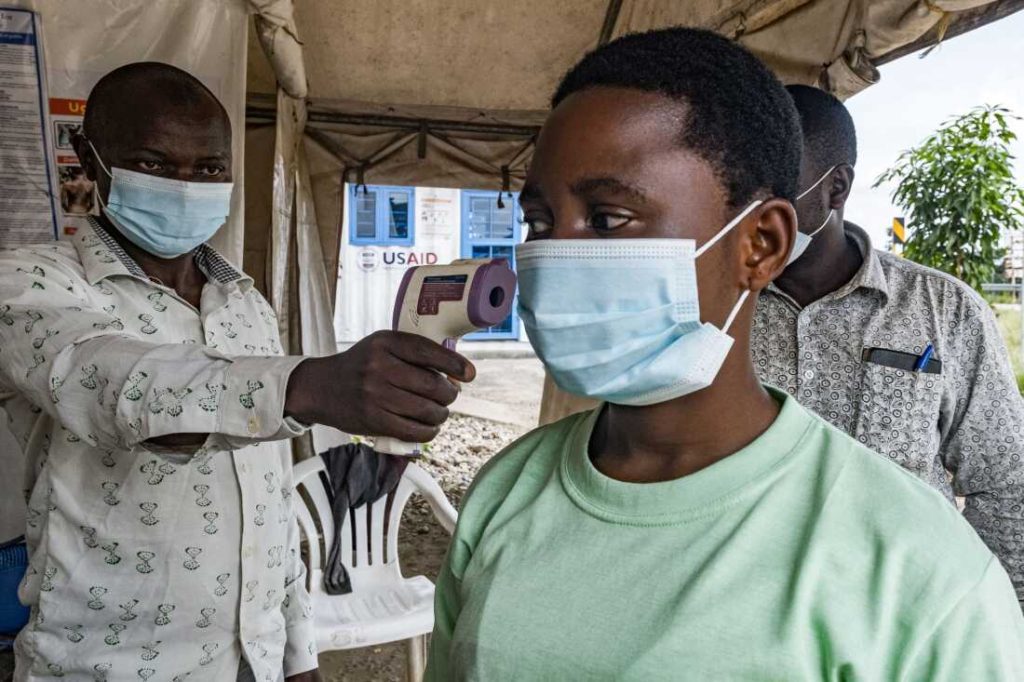
The CDC has described the immediate risk to the United States as relatively low but announced additional precautionary measures to prevent the virus from entering the country. These include enhanced traveller monitoring, contact tracing with airlines, increased testing capacity, and preparedness measures in hospitals.
The agency also announced entry restrictions for non-US citizens who have recently travelled to Uganda, DR Congo, or South Sudan within the past 21 days.
In addition, the US government has issued a Level Four travel advisory, its highest warning level, advising citizens against travelling to DR Congo.
The WHO warned that the current outbreak could become significantly larger than current figures indicate, with a high risk of local and regional transmission if containment efforts fail.
Ebola remains one of the world’s deadliest viral diseases. The largest outbreak occurred between 2014 and 2016 in West Africa, infecting more than 28,600 people and causing 11,325 deaths across countries including Guinea, Sierra Leone, Liberia, the United States, the United Kingdom, and Italy.