Tax analyst Francis Timore Boi has called on the government to establish clear guidelines for intervening in fuel prices, warning that repeated subsidies could strain public finances and eventually lead to the introduction of new taxes to cover rising fiscal costs.
His remarks follow the government’s announcement of a GH¢2-per-litre relief on diesel, the second fuel price intervention in four months. The measure is aimed at easing the burden on consumers, preventing increases in transport fares and helping to keep inflation under control.
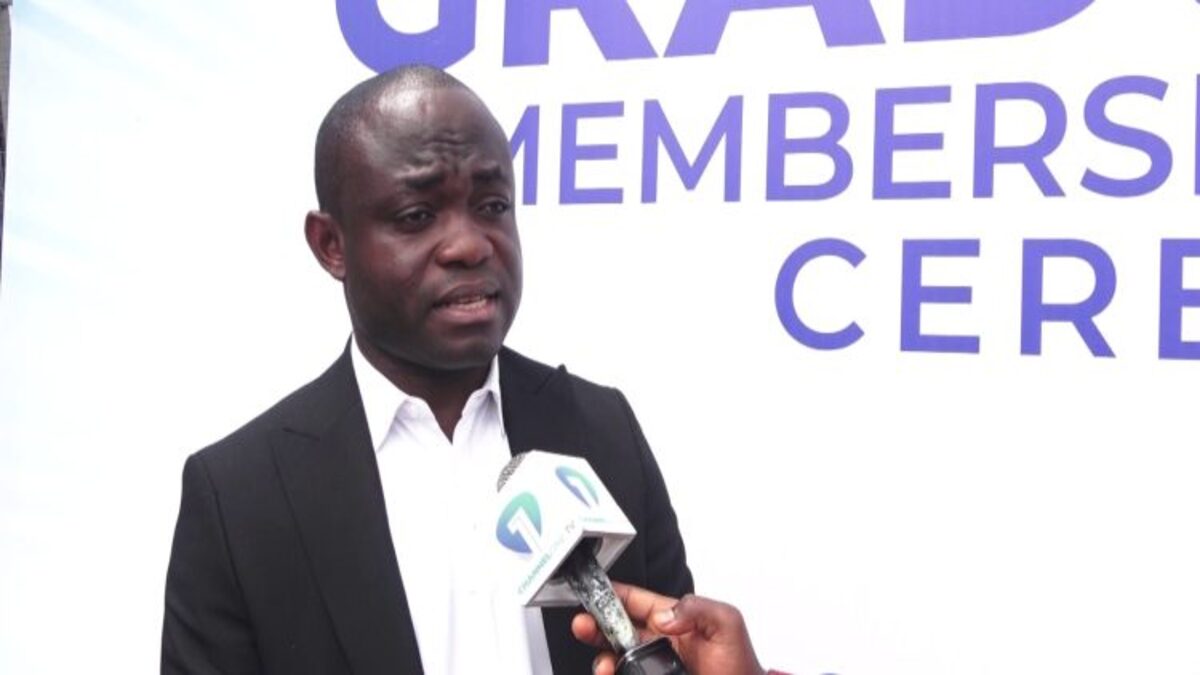
Speaking to Citi Business News, Timore Boi acknowledged the short-term benefits of the intervention but said the government should define the circumstances under which it would step into the fuel market.
He proposed adopting a rules-based framework tied to global crude oil prices.
“Can we limit the number of times or can we set a threshold for government intervention? For example, if crude oil reaches around 120 dollars per barrel, government can then step in to cushion consumers,” he said.
Timore Boi said the absence of a clear policy could create expectations among transport operators and consumers that the government would always absorb increases in fuel prices, making future reforms more difficult.
“My principal concern has always been whether this approach is fiscally sustainable and also the expectation it creates,” he said.
He noted that when the government introduced its first fuel price intervention in April 2026, crude oil was trading at about $101 per barrel. With prices now around $87 per barrel, he questioned the rationale for another round of fuel relief.
He also raised concerns about how policymakers would respond if global crude prices rose sharply in the future.
“If crude subsequently increases to around 120 dollars per barrel or beyond, will government continue to absorb two cedis per litre, increase the relief, or allow the full cost to be passed on to consumers?” he asked.
Timore Boi warned that sustained fuel subsidies could place significant pressure on the country’s finances, increasing the likelihood of future revenue measures.
Referring to the COVID-19 pandemic, he noted that emergency government spending was later followed by the introduction of the COVID-19 Health Recovery Levy to help finance public expenditure.
“Repeated interventions accumulate fiscal costs, and those costs may later be presented as justification for introducing a new tax,” he said.
While welcoming efforts to reduce fuel costs for consumers, Timore Boi said the government must strike a balance between providing short-term economic relief and maintaining long-term fiscal sustainability.
He said without clearly defined limits, temporary fuel price interventions risk becoming permanent fiscal commitments that could ultimately shift the cost back to taxpayers.