Ghana has reduced the amount of fuel it exports to Burkina Faso and Mali as growing domestic demand puts pressure on available supplies.
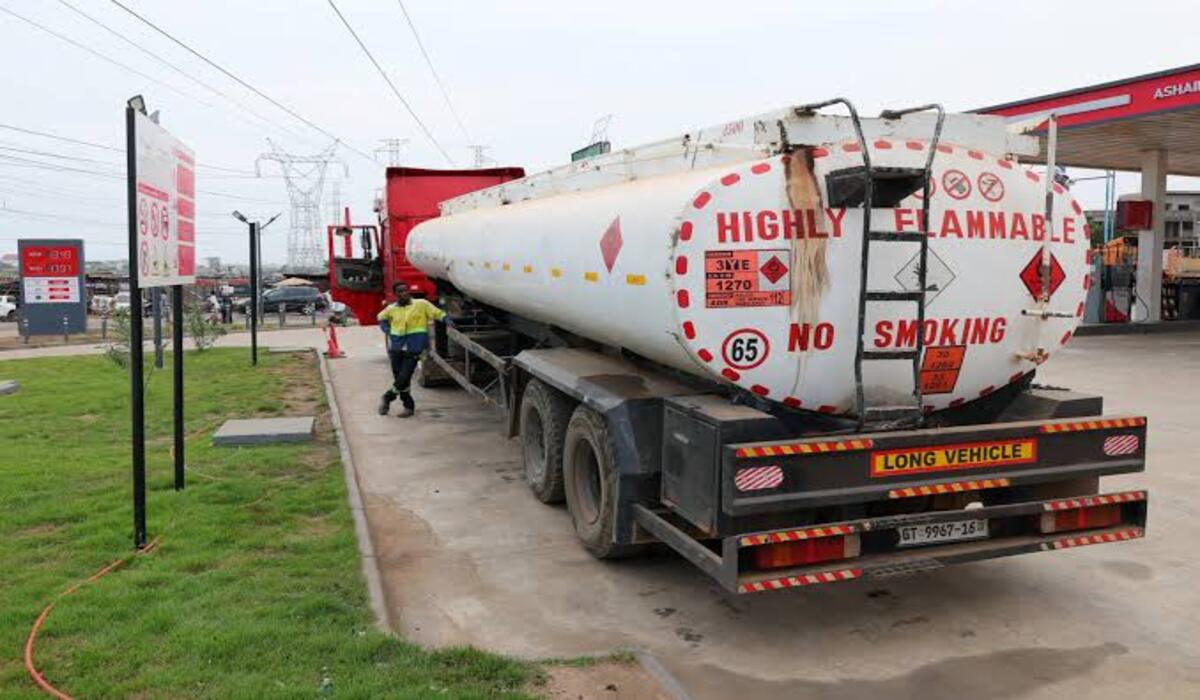
The Managing Director of BOST Energies, Afetsi Awoonor, said the state-owned fuel distributor has cut exports of diesel and gasoline to the two countries since August to ensure Ghana has enough fuel for local consumption.
Mr Awoonor said Burkina Faso requested 80,000 metric tonnes of fuel in July and August, but BOST was able to supply only half of the amount.
Mali also received 10,000 tonnes during the period, despite requesting an additional 40,000 tonnes for August and September.
According to Mr Awoonor, the decision comes at a time when fuel supplies globally have been tightened by conflicts in Ukraine and the Middle East, contributing to higher prices.
Ghana itself is facing rising demand for diesel as economic activity expands. BOST currently accounts for about 30 percent of Ghana’s fuel market, with diesel making up two-thirds of the company’s supplies.
“Supply is available, but it’s at a high cost,” Awoonor said, adding that the sharp increase in demand has put further pressure on supplies and made it more difficult to keep domestic fuel prices stable.
Burkina Faso and Mali, like neighbouring Niger, depend heavily on fuel imports from coastal countries such as Ghana and Ivory Coast.
Meanwhile, Ghanaian fuel prices, which rose earlier in the year due to concerns over global supplies, have since eased, partly because of the stronger cedi and government interventions.
Beyond petroleum products, BOST is also preparing to expand its operations in the liquefied petroleum gas sector.
Mr Awoonor said the company plans to establish an LPG terminal in Tema by the fourth quarter of next year and begin importing cooking gas.
BOST also intends to construct an LPG storage facility in Kumasi to support distribution, with plans to eventually establish terminals at six locations across the country in phases.